|
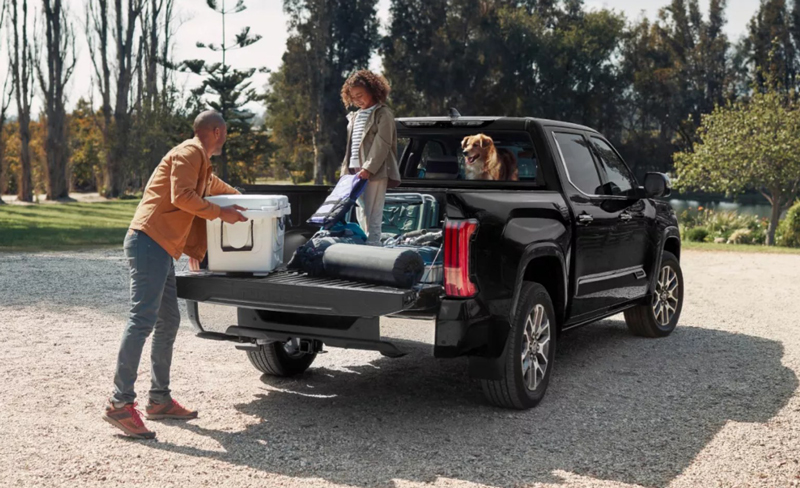
Full-size pickup trucks are no longer judged solely by towing numbers and engine output. Modern truck buyers expect advanced driver assistance systems, seamless connectivity, refined cabin comfort, and technology that genuinely improves both work and daily driving. The 2026 Toyota Tundra continues to evolve around those expectations, combining impressive capability with a highly sophisticated suite of safety and technology features that help make the truck feel more intelligent, more refined, and easier to live with every day.
The 2026 Tundra maintains its bold and muscular design while integrating modern aerodynamic details and advanced lighting technology. Large grille treatments, sculpted body lines, and high-mounted LED lighting give the truck a commanding appearance without sacrificing functionality. The body structure itself has been engineered using lightweight aluminum body panels combined with a fully boxed high-strength steel frame, helping improve both rigidity and overall efficiency.
Toyota’s engineering focus extends well beyond appearance. The Tundra rides on a fully redesigned chassis architecture that improves ride quality, towing stability, and overall durability. Rear suspension configurations featuring multi-link coil spring setups on many trims help deliver noticeably smoother ride characteristics compared with traditional leaf-spring-only heavy-duty layouts. This contributes to improved passenger comfort during everyday driving while still maintaining excellent towing capability.
Under the hood, the 2026 Tundra continues to use Toyota’s twin-turbocharged i-FORCE V6 engine family. Rather than relying on a traditional naturally aspirated V8, Toyota engineered the Tundra’s powertrain to provide stronger low-end torque, improved fuel efficiency, and more responsive acceleration through advanced turbocharging technology.
The standard twin-turbocharged V6 delivers impressive power and torque across a broad RPM range, making the truck feel exceptionally strong during towing, highway merging, and hauling situations. Turbochargers help build usable torque quickly at lower engine speeds, reducing strain during heavier workloads while also contributing to smoother daily drivability.
Available i-FORCE MAX hybrid powertrain technology further elevates the Tundra’s performance. This advanced system integrates an electric motor within the bell housing of the 10-speed automatic transmission, supplementing the gasoline engine with additional low-speed torque and improved responsiveness. The hybrid setup is designed primarily around performance and capability rather than purely fuel economy, providing tremendous pulling power and confident acceleration under load.
The 10-speed electronically controlled automatic transmission plays a major role in optimizing both performance and efficiency. Closely spaced gear ratios allow the engine to remain within its ideal torque range more consistently, improving towing stability and throttle response while also lowering engine speeds during highway cruising.
One of the most technically advanced aspects of the 2026 Tundra is its extensive collection of towing and driver assistance technologies. Toyota has integrated multiple radar sensors, cameras, and electronic control systems designed to make towing easier and safer for drivers of all experience levels.
Trailer Backup Guide and Straight Path Assist systems help simplify reversing manoeuvres with larger trailers by automatically assisting steering inputs to maintain intended trailer direction. Integrated trailer brake control and trailer sway management systems further improve towing confidence by continuously monitoring trailer behaviour and applying corrective braking when necessary.
The available panoramic camera system significantly enhances visibility around the truck, particularly during parking, towing, and off-road situations. Multiple exterior cameras can generate overhead and side perspectives that allow drivers to monitor obstacles, trailer positioning, and surrounding traffic far more effectively than traditional mirrors alone.
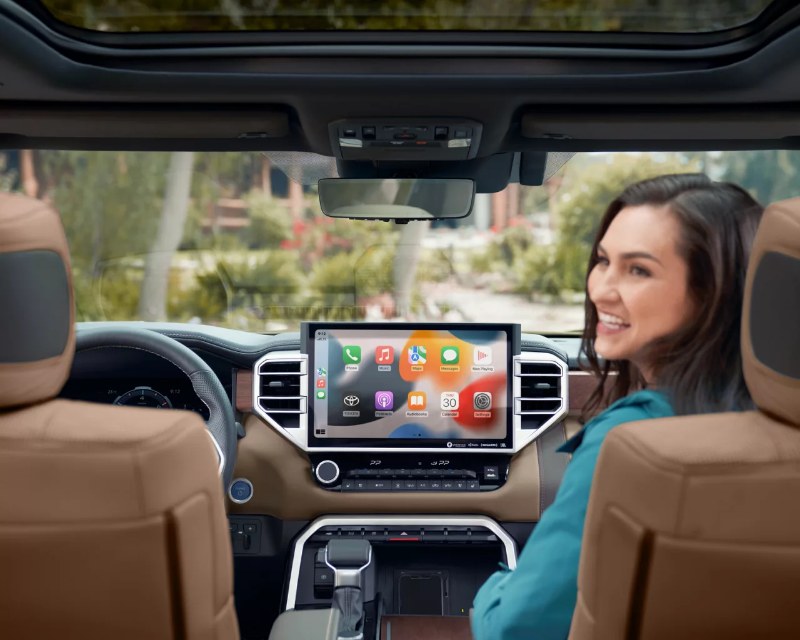
Inside the cabin, the 2026 Tundra continues to showcase Toyota’s major advancements in digital technology and interior refinement. The dashboard design is centred around a large touchscreen infotainment display paired with a fully digital instrument cluster on higher trims. Graphics are sharp, responsive, and highly customizable, allowing drivers to prioritize navigation, towing information, fuel economy data, or safety alerts based on personal preference.
Wireless Apple CarPlay and Android Auto integration are included, allowing drivers to access smartphone applications seamlessly without cables cluttering the cabin. Available wireless charging pads and multiple USB-C ports help support modern device connectivity for both front and rear passengers.
Toyota’s latest multimedia interface also supports over-the-air software updates, allowing system improvements and feature refinements to be delivered remotely over time. Voice command functionality has been improved significantly, enabling more natural interaction with navigation, audio, and climate systems while minimizing distraction.
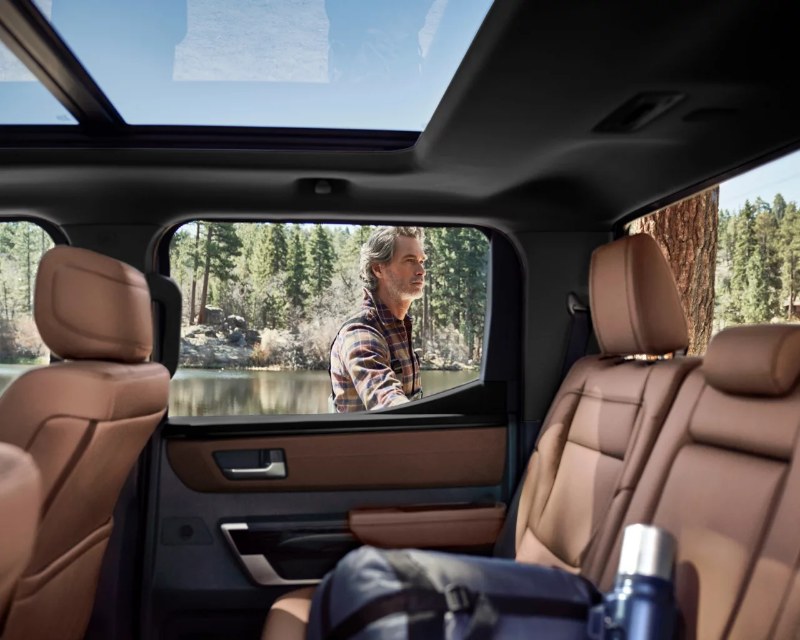
Interior comfort has also advanced considerably compared with previous generations of full-size trucks. Available premium seating surfaces, heated and ventilated seats, panoramic glass roofs, and high-end audio systems create an environment that feels closer to a luxury SUV than a traditional work truck. Additional sound insulation and acoustic glass help reduce wind and road noise, particularly during highway driving.
Safety technology remains one of the Tundra’s strongest selling points. Toyota Safety Sense continues to provide a highly comprehensive suite of advanced driver assistance systems as standard equipment across much of the lineup. These technologies include Pre-Collision System with Pedestrian Detection, Full-Speed Range Dynamic Radar Cruise Control, Lane Tracing Assist, Lane Departure Alert, Blind Spot Monitor, and Rear Cross Traffic Alert.
The Pre-Collision System continuously monitors vehicles, pedestrians, and cyclists ahead using both radar and camera inputs. If a potential collision risk is detected, the system can warn the driver and automatically apply braking assistance if necessary. Lane-centering technologies help reduce fatigue during highway travel by providing subtle steering corrections to maintain proper lane positioning.
Dynamic Radar Cruise Control is especially useful during longer trips and heavy traffic conditions. The system automatically adjusts following distance relative to vehicles ahead, slowing or accelerating as traffic conditions change. Combined with Lane Tracing Assist, the Tundra delivers a more relaxed and less stressful highway driving experience.
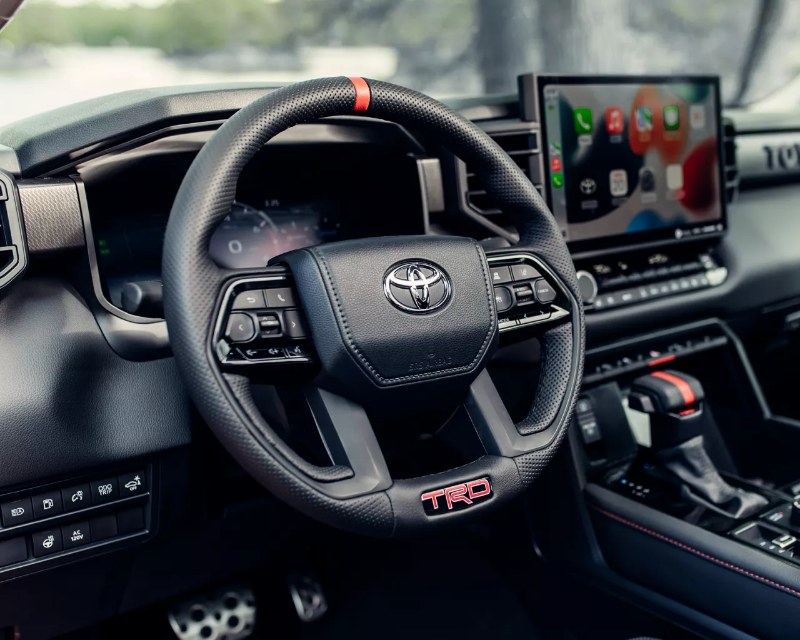
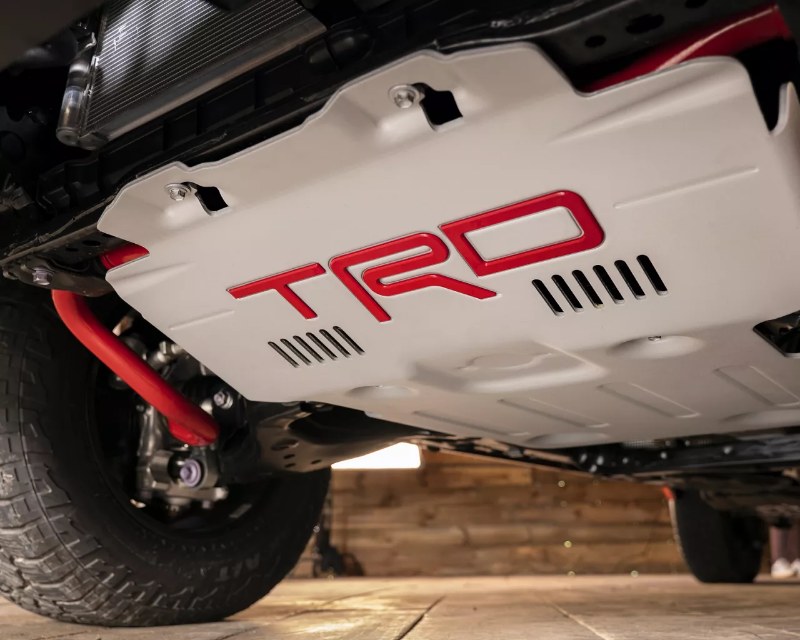
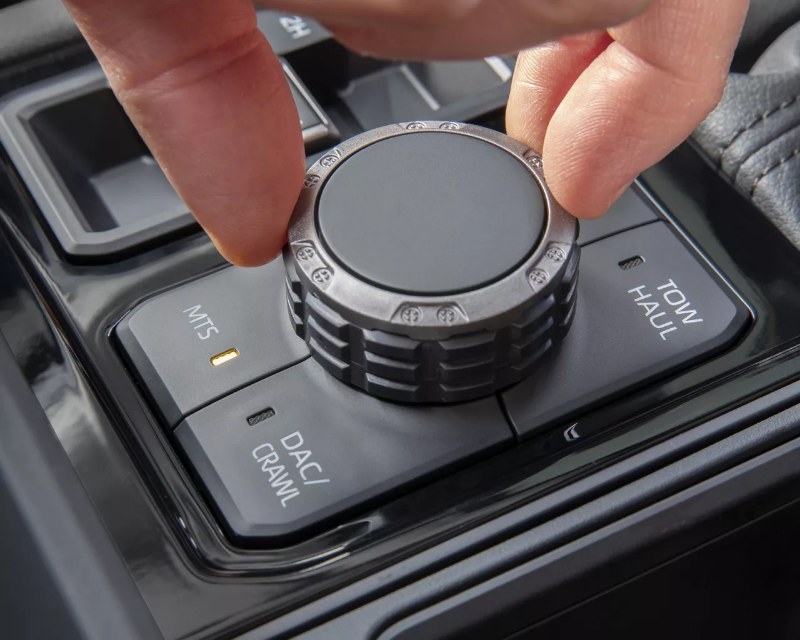
Off-road-focused trims such as the TRD Pro add additional technological capability through systems including Multi-Terrain Select, Crawl Control, electronically locking differentials, and advanced suspension tuning. These features help optimize traction and stability across challenging terrain while maintaining impressive on-road refinement.
Perhaps the most impressive quality of the 2026 Toyota Tundra is how effectively it integrates advanced technology into a truck that still feels highly durable and purpose-built. Rather than overwhelming drivers with unnecessary complexity, the Tundra’s systems operate naturally in the background, improving safety, capability, comfort, and everyday usability.
For drivers seeking a full-size pickup that combines advanced safety systems, powerful modern drivetrains, refined cabin technology, and serious towing capability, the 2026 Toyota Tundra continues to stand out as one of the most technologically advanced trucks available today. Click the button below to learn more about the vehicle.
Please Note: The details of this article were accurate at the time it was written. Manufacturers may change the details of any vehicle’s specifications at any time without notice.
|