|
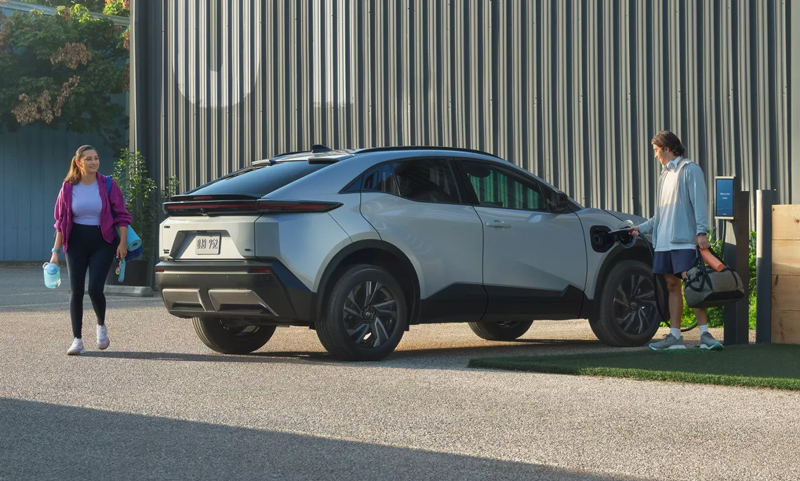
The 2026 Toyota C-HR makes a strong first impression with its sharp body lines, wide stance, and coupe-inspired profile, but the real story is underneath. This is a battery electric crossover engineered to do much more than simply replace a gasoline vehicle with an electric motor. It has been designed to give drivers strong everyday range, quick and immediate performance, useful charging flexibility, and a battery system that supports year-round confidence. For anyone considering an electric vehicle, that matters. The C-HR is not trying to feel experimental. It is trying to feel complete.
A big part of that comes from the battery itself. The 2026 C-HR uses a 74.7 kWh lithium-ion battery pack, giving it the energy capacity needed to support both strong output and practical driving range. That battery size puts the vehicle in an appealing position for drivers who want something substantial enough for commuting, errands, highway use, and weekend travel without feeling oversized or wasteful. In battery electric vehicles, pack capacity influences far more than just range. It affects how confidently the vehicle can deliver power, how usable it feels across different driving conditions, and how often owners need to think about charging in the first place. The C-HR’s battery gives it the kind of day-to-day flexibility that helps electric driving feel natural.
Range is still one of the first things most shoppers ask about, and the C-HR answers that question well. Toyota rates the SE at up to 500 kms of driving range and the XSE at up to 465 kms. Those are the kind of numbers that make this vehicle feel much more practical than many drivers may expect from a compact electric crossover. It means the C-HR can handle the daily routine of commuting, errands, after-work stops, and weekend driving with a healthy buffer still in reserve. Just as importantly, it helps reduce the mental load that can come with switching to an electric vehicle. A vehicle like this feels easier to trust because the battery supports real schedules instead of asking the driver to constantly manage around its limits.
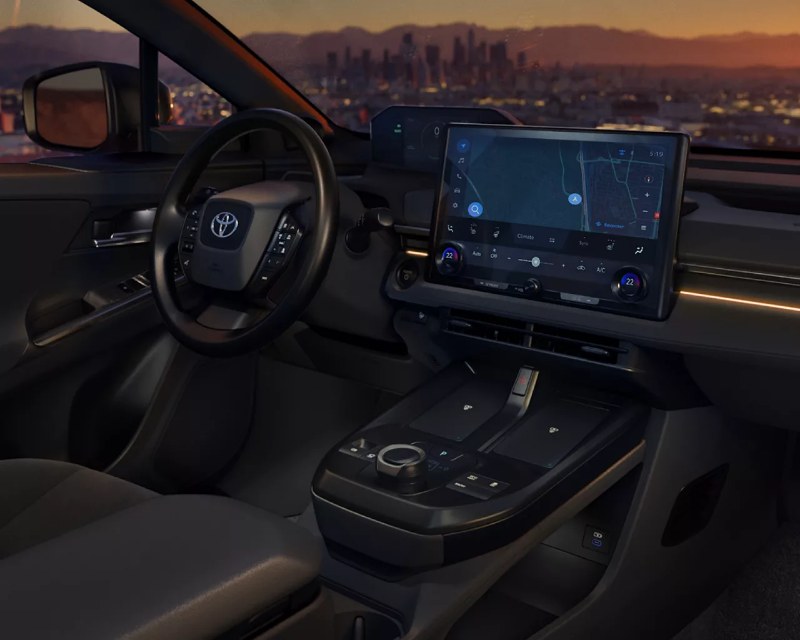
The battery also supports one of the most satisfying parts of the C-HR’s character, which is performance. In dual-motor all-wheel-drive form, the system produces a combined 338 horsepower. That is a serious figure for a compact crossover and it gives the C-HR a much more energetic personality than many people may expect. Electric vehicles feel different because of how they deliver power, and the C-HR uses that to its advantage. Instead of waiting for an engine to build revs or a transmission to find the right gear, the electric system responds immediately. The result is smooth, direct acceleration that feels confident from a stop and strong when merging or passing. The battery is central to that experience because it must be capable of supplying energy quickly and consistently when the driver asks for it. In that sense, the battery is not just a storage unit. It is a core performance component.
Charging is another area where the C-HR becomes especially appealing. Toyota equips it with a North American Charging System, or NACS, port, which is an important practical advantage because it opens access to a broader and increasingly important charging network. That matters to buyers because charging convenience can shape the whole ownership experience. The easier it is to find and use public chargers, the more comfortable the transition to electric driving becomes. Toyota also includes Plug & Charge capability, which helps simplify the public charging process by allowing the vehicle to authenticate automatically at compatible stations. Instead of dealing with extra steps every time, the process becomes smoother and more intuitive, which is exactly what buyers want from new technology.
At home, the charging story is just as strong. The C-HR uses an 11 kW onboard charger that supports both Level 1 and Level 2 AC charging. For many owners, that means overnight home charging will be the most convenient way to keep the battery topped up. Plugging in at the end of the day and starting the next morning with a replenished battery is one of the biggest lifestyle benefits of owning an EV. It changes the whole routine of refuelling. Rather than stopping somewhere to fill up, the vehicle simply charges while it is parked. That makes the battery feel less like a compromise and more like a daily convenience.
Cold-weather usability is another important part of the battery story, and Toyota has included thoughtful features here as well. Battery pre-conditioning helps bring the battery closer to an ideal temperature before fast charging, which can improve charging performance when temperatures drop. That is an important technical advantage because battery temperature has a real effect on charging speed and efficiency. Toyota also includes cabin pre-conditioning, which allows the interior to be warmed while the vehicle is still plugged in. That is a genuinely useful feature because it means drivers can step into a warm cabin without drawing that energy from the driving range. On a cold morning, that adds comfort without asking the battery to sacrifice as much usable distance once the drive begins. It is the kind of detail that makes electric ownership feel much more polished in everyday life.
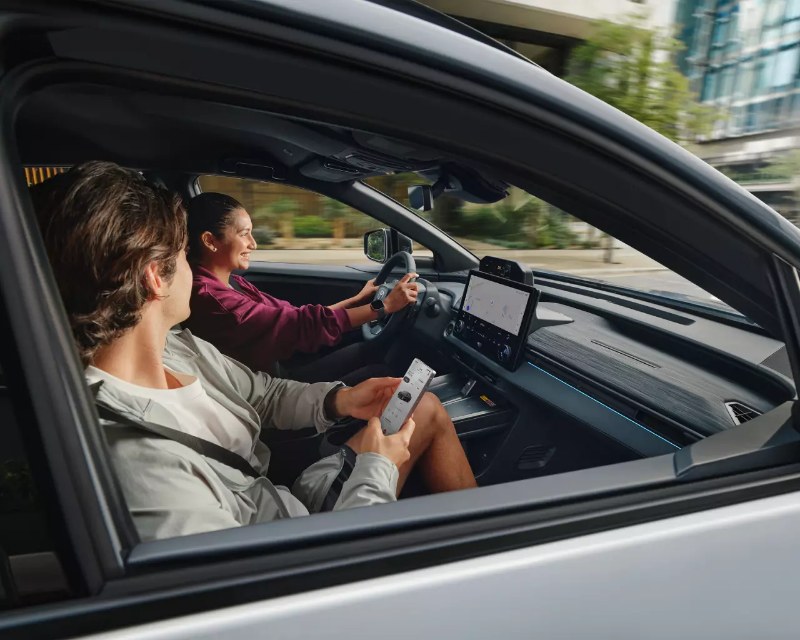
Regenerative braking adds another layer of technical sophistication. Instead of allowing energy to be lost as heat every time the vehicle slows down, the C-HR can recover part of that energy and feed it back into the battery. This improves efficiency, especially in urban traffic and stop-and-go driving where repeated deceleration would otherwise waste energy. The system also gives the driver more control, with steering wheel-mounted paddle shifters allowing different levels of regenerative braking. That gives the vehicle an added sense of responsiveness and lets drivers tailor the driving feel to their preference. It is a smart way to make the battery an active part of the driving experience rather than something that only matters between charges.
There is also the issue of long-term ownership confidence, and this is where the battery-electric layout continues to make a strong case for itself. A vehicle like the C-HR eliminates oil changes and reduces the number of major moving powertrain components compared with a conventional gasoline crossover. That simpler mechanical layout can mean a more streamlined ownership experience over time. For many shoppers, that is an underrated benefit. The battery is doing more than powering the vehicle. It is helping support a cleaner, quieter, and potentially lower-maintenance way to drive.
What makes the 2026 Toyota C-HR especially appealing is the way its battery technology improves the ownership experience from multiple angles at once. It delivers the kind of immediate response that makes the vehicle feel lively, the charging flexibility that helps it fit more naturally into daily life, and the cold-weather features that add comfort and convenience when conditions are less forgiving. Add in regenerative braking and the simplicity of an electric powertrain, and the result is a crossover that feels thoughtfully engineered for modern driving. For more information about the 2026 Toyota C-HR, or to schedule your test drive, click the button below.
Please Note: The details of this article were accurate at the time it was written. Manufacturers may change the details of any vehicle’s specifications at any time without notice.
|