|
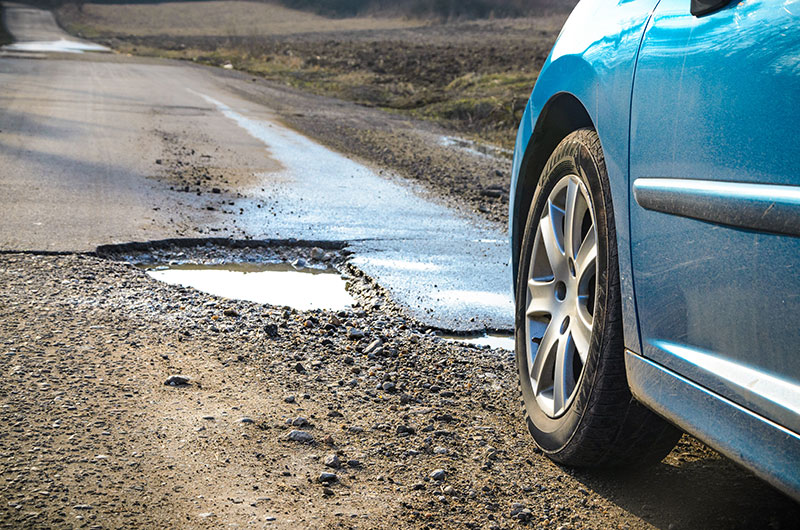
Modern suspension systems are engineered to deliver a balance of comfort, control, stability, and durability. Every time you drive, your suspension absorbs bumps, maintains tire contact with the road, and helps keep your vehicle stable during braking, cornering, and acceleration. But rough roads, potholes, frost heaves, and broken pavement place tremendous stress on these components over time.
Many drivers notice the occasional bump or vibration and assume it is simply part of driving on rough roads. In reality, repeated impacts can gradually wear down suspension and steering components, affecting everything from ride comfort to tire wear and vehicle safety. Understanding how rough road conditions affect your suspension system can help drivers identify problems early and avoid more expensive repairs later.
What the Suspension System Actually Does
The suspension system is far more complex than simply making the ride feel comfortable. Its primary role is to keep the tires planted firmly on the road surface while controlling vehicle movement.
Modern suspension systems consist of several interconnected components, including:
- Shock absorbers or struts
- Coil springs or leaf springs
- Control arms
- Ball joints
- Tie rods
- Stabilizer bars and links
- Bushings
- Wheel bearings
Together, these parts manage how the vehicle responds to uneven road surfaces while maintaining steering precision and stability.
When a tire encounters a pothole or bump, the suspension absorbs and distributes the impact forces before they transfer into the vehicle chassis. Without a properly functioning suspension system, even small road imperfections would significantly upset vehicle control.
Why Potholes Are So Damaging
Potholes create sharp, concentrated impacts that place sudden loads on suspension and steering components. Unlike gradual bumps, potholes can compress the suspension extremely quickly, sometimes faster than components are designed to react.
The force generated when a vehicle strikes a pothole depends on several factors:
- Vehicle speed
- Tire sidewall height
- Vehicle weight
- Suspension design
- Depth and shape of the pothole
Low-profile tires and larger wheel packages commonly found on modern vehicles often provide less cushioning against impacts, increasing the amount of force transmitted into suspension components.
In severe cases, potholes can bend wheels, damage tires, knock alignment out of specification, or even crack suspension parts outright. However, most suspension wear develops gradually from repeated smaller impacts over time.
How Shock Absorbers and Struts Wear Down
Shock absorbers and struts are among the hardest-working components in the suspension system. Their job is to control spring movement and prevent excessive bouncing after impacts.
Inside a shock absorber or strut, hydraulic fluid moves through precisely calibrated valves to dampen suspension motion. Over thousands of kilometres, repeated impacts and heat cycles gradually wear internal seals and valves.
As shocks and struts weaken, drivers may notice:
- Excessive bouncing after bumps
- Increased body roll during turns
- Nose-diving under braking
- Reduced stability at highway speeds
- Uneven tire wear
- Longer stopping distances
Worn dampers also reduce the tire’s ability to maintain consistent contact with the road surface, especially on rough pavement. This can negatively affect both handling and traction.
The Hidden Role of Bushings and Ball Joints
Many suspension issues begin with smaller components that drivers rarely see. Rubber bushings and ball joints absorb vibration while allowing suspension movement and steering articulation.
Bushings are designed to flex slightly while isolating road harshness from the cabin. Over time, exposure to temperature changes, moisture, road salt, and repeated impacts causes the rubber to dry out, crack, or separate from its mounting points.
Ball joints act as pivot points between suspension and steering components. They endure substantial stress during cornering, braking, and impacts. As they wear, looseness develops within the joint.
Worn bushings and ball joints can cause:
- Clunking noises over bumps
- Loose or wandering steering feel
- Uneven tire wear
- Steering vibration
- Reduced handling precision
Because these symptoms often develop gradually, many drivers adapt to them without realizing how much vehicle performance has declined.
Alignment Problems Often Begin with Impacts
Wheel alignment is closely tied to suspension health. Even a relatively minor pothole impact can alter suspension geometry enough to affect alignment angles.
Modern vehicles rely on precise camber, caster, and toe settings to maintain proper tire contact and stable handling. When alignment shifts, tires begin scrubbing against the road surface at improper angles.
Common signs of alignment issues include:
- Pulling to one side
- Crooked steering wheel
- Feathered tire wear
- Reduced fuel efficiency
- Instability during braking
Driving with poor alignment not only accelerates tire wear but also places additional stress on suspension and steering components.
Repeated impacts from rough roads can gradually move alignment out of specification even without a major pothole strike. This is why regular alignment checks are an important part of preventative maintenance.
Suspension Problems Affect More Than Comfort
Many drivers associate suspension wear mainly with ride quality, but suspension health directly affects vehicle safety as well.
A properly functioning suspension system helps maintain:
- Tire traction
- Steering response
- Braking stability
- Emergency manoeuvre control
- Predictable cornering behaviour
When suspension components wear excessively, tire contact with the road becomes inconsistent. This can reduce grip, particularly during wet conditions or emergency braking situations.
Electronic safety systems such as stability control and anti-lock brakes also depend on stable tire contact and predictable suspension behaviour to function effectively.
Why Rough Roads Accelerate Tire Wear
Tires and suspension components work together continuously. When suspension components wear, tires often show the first visible signs of trouble.
Weak shocks or worn alignment components can create:
- Cupped tire wear
- Feathered tread patterns
- Excessive inner or outer edge wear
- Vibration at highway speeds
Once abnormal wear patterns begin, tires typically continue wearing unevenly even after repairs are completed.
Considering the cost of modern tires, maintaining suspension health is one of the most effective ways to maximize tire life and protect your investment.
Seasonal Conditions Make Inspections Important
Freeze-thaw cycles, potholes, gravel roads, and rough winter driving conditions can all contribute to accelerated suspension wear. Spring and summer are often when drivers begin noticing symptoms that developed gradually over previous seasons.
A suspension inspection typically includes checking:
- Shock and strut condition
- Ball joint play
- Bushing wear
- Tie rod looseness
- Alignment angles
- Tire wear patterns
- Wheel bearing condition
Catching worn components early often prevents additional wear from spreading throughout the suspension system.
Keep Your Vehicle Handling Properly
Your suspension system plays a major role in how your vehicle drives, handles, brakes, and responds to the road around you. Rough roads and potholes are unavoidable, but the long-term effects of suspension wear can often be minimized through regular inspections and preventative maintenance.
Keeping your suspension system in proper condition improves comfort, protects your tires, enhances safety, and helps maintain the precise handling your vehicle was designed to deliver.
If you have noticed unusual noises, uneven tire wear, steering changes, or reduced ride quality, now is an excellent time to have your suspension system inspected. For more information or to schedule a service appointment, click the button below.
|